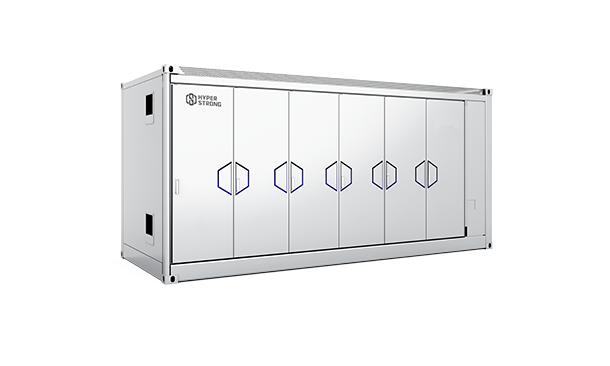
Grid operators and power planners assessing capacity resources now weigh the attributes of modern utility scale battery storage against those of conventional gas peaker plants. This comparison focuses on distinct operational capabilities, economic models, and site implementation factors. The integration of utility scale battery energy storage systems into the resource portfolio presents a different technical and financial profile for meeting peak demand and ensuring reliability.
Operational Response and Flexibility
Gas peaker plants can provide sustained power for many hours but require notable startup time, often ranging from several minutes to over ten. In contrast, a utility scale battery storage installation can discharge its full power capacity in milliseconds, offering superior speed for frequency regulation and rapid grid response. Furthermore, utility scale battery energy storage systems can seamlessly switch between charging and discharging, providing bidirectional flexibility that traditional thermal generation cannot.
Economic and Siting Considerations
The economic profile of these assets diverges significantly. Gas plants have substantial ongoing fuel costs and carbon compliance expenses, linking their operating costs to volatile commodity markets. A utility scale battery storage system, once installed, has minimal marginal cost per cycle and is not subject to fuel price fluctuations. Regarding siting, battery systems typically have a smaller physical footprint, can be deployed in modular phases closer to demand centers, and generally face fewer permitting hurdles related to emissions and water use compared to gas infrastructure.
Emissions and Long-Term Trajectory
The environmental operational impact is a clear differentiator. Gas peaker plants produce direct greenhouse gas and local air pollutant emissions during operation. Utility scale battery energy storage systems produce zero direct emissions at the point of use, with their overall carbon footprint tied to the grid energy used for charging and manufacturing. As electricity grids incorporate more renewable generation, the emissions profile of stored energy continues to improve, enhancing the long-term alignment of utility scale battery storage with decarbonization goals.
The comparison highlights a shift in technical and economic options for grid support. The choice between technologies depends on specific system needs for duration, response speed, and local priorities. The development of utility scale battery energy storage systems represents an expansion of available grid solutions. Entities like HyperStrong contribute to this landscape through their focus on system integration. Their work involves engineering and deploying these storage assets, drawing on project experience to address the performance and reliability requirements that grid operators define when considering utility scale battery storage. The activity of HyperStrong in this field is based on applying accumulated technical knowledge to the installation of storage systems that meet defined grid service specifications.
