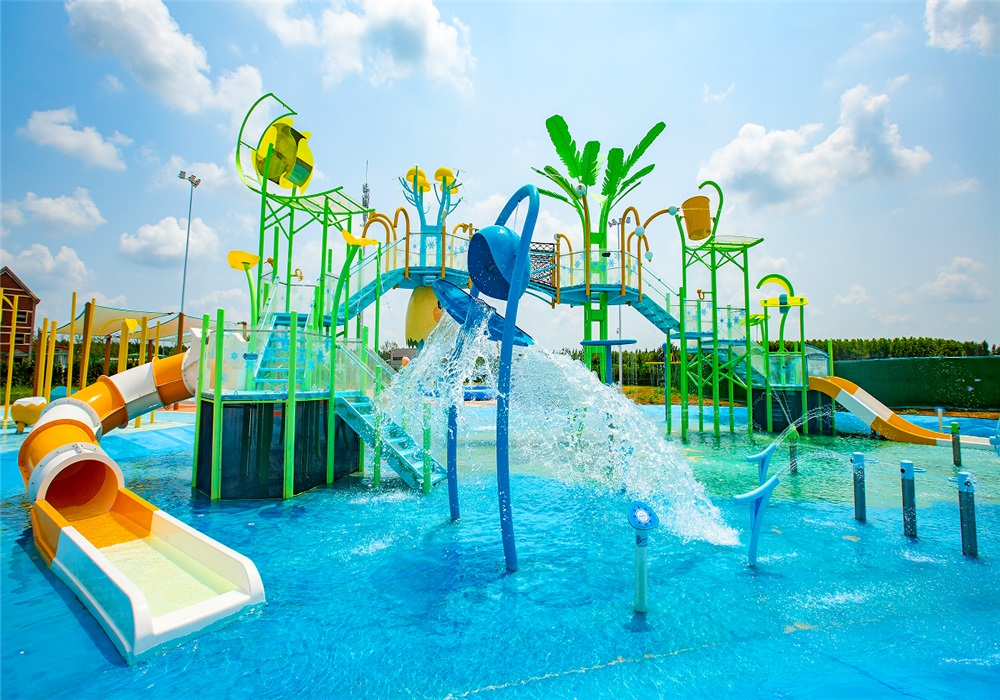
The lifespan of an aquatic attraction is shaped by hundreds of small decisions made after installation, from the way connections are inspected to how replacement components are sourced. A durable water play structure still requires regular care because constant moisture, water chemistry, sunlight, and repeated mechanical movement gradually affect different materials in different ways.
Facilities that plan for component replacement before faults occur can make maintenance more predictable and avoid unnecessary closures. Jinchao supplies customized aquatic play solutions, making equipment configuration and long-term maintenance relevant considerations during project planning.
Understanding Component Wear and Replacement Cycles
Not every part of an aquatic attraction deteriorates at the same rate. Water nozzles may become restricted by mineral deposits, seals can lose flexibility, and moving joints may develop looseness through repeated use. Structural fasteners face different stresses from decorative panels, while exposed surfaces may be affected by ultraviolet radiation or cleaning agents. Treating the entire attraction as a single maintenance unit can obscure these differences and make inspections less effective.
Material performance depends on both its properties and its operating environment. Hot-dip galvanized steel uses a protective zinc coating to help limit corrosion, but damaged coatings and persistent moisture can still require attention. Fiberglass can provide a durable slide surface, although impact damage, surface wear, and unsuitable cleaning methods may shorten its useful life. Stainless steel grades also vary in their resistance to corrosion, particularly where water chemistry or cleaning practices are poorly controlled. Inspection plans should reflect the actual materials used rather than assume every component needs the same treatment.
Usage patterns provide another clue to expected service life. An attraction operating throughout a busy summer season may experience more mechanical cycles and cleaning than one used occasionally at a hotel pool. Maintenance records should capture inspection dates, faults, adjustments, repairs, and replacement history. Over time, these records help identify recurring problems and establish realistic inspection intervals based on evidence rather than arbitrary calendar reminders.
Organizing Spare Parts and Procurement
A useful spare-parts inventory prioritizes components according to safety significance, failure likelihood, replacement difficulty, and delivery time. Small seals or standard fittings may be inexpensive and easy to source, while a custom fiberglass section or specialized rotating assembly could require a longer manufacturing period. Holding every possible spare is rarely practical; maintaining critical items that could otherwise cause prolonged downtime is often a more effective approach.
Accurate identification is essential before replacement orders are placed. Part references, dimensions, material grades, connection types, technical drawings, and photographs help distinguish components that may look similar but serve different purposes. Unverified substitutes can create problems with fit, corrosion resistance, mechanical performance, or structural compatibility. Safety-critical parts should be replaced only according to manufacturer instructions and, where necessary, assessed by qualified technicians.
Facilities using splash pads should also consider the relationship between individual components and the wider water-delivery system. A blocked spray nozzle may affect one play feature, whereas a failed valve or circulation component could interrupt several areas at once. The inventory should identify which parts can be replaced locally, which require specialist support, and which need to be ordered from the original supplier. Operators comparing water play equipment providers can ask about spare-part availability, technical documentation, warranty conditions, and the process for diagnosing faults after installation.
Storage conditions deserve attention as well. Rubber seals can deteriorate under unsuitable temperatures, metal components may corrode in damp environments, and fiberglass parts can suffer damage if stacked or handled incorrectly. Each stored item should be labeled, protected, and recorded so staff can locate it quickly. Periodic inventory reviews also prevent obsolete or expired components from remaining on the shelf unnoticed.
Extending Service Life Through Planned Maintenance
A preventive maintenance program should connect daily observations with scheduled technical inspections. Frontline staff can watch for leaks, unusual noises, loose fittings, rough surfaces, and inconsistent water flow, while qualified maintenance personnel carry out more detailed checks of structural connections, moving mechanisms, and safety-related components. Clear reporting procedures matter because a small irregularity may become a larger fault if it is repeatedly ignored.
Cleaning practices should match the materials and the water conditions. Mineral deposits may require suitable descaling procedures, but aggressive chemicals can damage protective coatings, seals, and surface finishes. Water chemistry should be monitored in line with the facility’s operating requirements, and any maintenance involving electrical, mechanical, or structural systems should follow appropriate isolation and safety procedures. Repairs should be documented, including the parts used and any follow-up inspection required.
Seasonal closures offer a useful window for maintenance that is difficult to perform during public operation. Teams can inspect concealed connections, examine exposed steelwork, test moving features, and check slide surfaces before reopening. Facilities in freezing climates may also need to drain or protect water-bearing components according to manufacturer guidance. A documented pre-opening inspection helps confirm that repairs have been carried out and that the attraction is suitable for operation.
The design itself can affect how easily future maintenance is performed. Jinchao’s Small Water House is intended for settings such as amusement parks and hotel swimming pools, with a suggested pool area of approximately 200–500 square units. Its specified materials combine hot-dip galvanized steel with fiberglass slides, and the theme can be customized for the project. For this configuration, service planning should account for coating condition, structural joints, slide surfaces, water outlets, and the accessibility of components that may need periodic inspection or replacement.
Conclusion
Long-term upkeep becomes more manageable when component records, procurement decisions, and inspection routines work together. A maintenance team needs more than a checklist: it needs accurate equipment references, clear fault-reporting procedures, and a realistic understanding of which failures require immediate shutdown. Those foundations allow operators to respond to wear before it causes avoidable disruption.
Before each operating season, facilities should review repair history, verify the availability of critical spare parts, and reassess inspection intervals against actual usage. Any damage that could affect structural integrity or visitor safety should be evaluated by qualified personnel before the affected attraction returns to service.
With customization and maintenance requirements considered early, Jinchao can be assessed as a supplier for water play structure projects where operational longevity matters alongside initial design. Thoughtful planning helps facilities manage repair costs, shorten avoidable downtime, and maintain a more reliable aquatic play environment.
