For solar installation professionals, system integrators, and procurement managers, selecting the right power conversion component directly impacts system efficiency, client satisfaction, and long-term maintenance costs. The market offers a wide range of options, from basic string inverters to advanced PV inverter hybrid models that integrate battery storage. However, focusing solely on price or brand reputation without understanding core technical specifications can lead to mismatched systems, poor performance during grid outages, and expensive retrofits. This guide outlines the critical specifications every installer should evaluate when choosing a PV inverter, including voltage ranges, storage compatibility, thermal performance, and physical integration requirements.
Voltage Range and Battery Compatibility: The Foundation of Reliable Storage Integration
The most frequent specification oversight involves mismatched voltage windows between the PV inverter and the energy storage system. A standard grid-tied inverter cannot manage battery charging and discharging, whereas a true PV inverter hybrid includes a built-in charge controller and bi-directional conversion capabilities. Installers must verify that the inverter’s battery voltage range aligns with the storage unit’s operating parameters. For example, a typical lithium battery bank operates between 40V and 58.4V—the inverter must support this entire spectrum, not just nominal voltage. If the PV inverter cuts off charging at 56V while the battery can safely accept up to 58.4V, the system loses approximately 10% of usable capacity. Conversely, if the inverter’s low-voltage disconnect is set above 42V when the battery can discharge to 40V, the client pays for storage capacity they cannot access. Always compare the inverter’s voltage windows against the battery’s datasheet before procurement.
Storage Capacity, Physical Dimensions, and Integration Planning
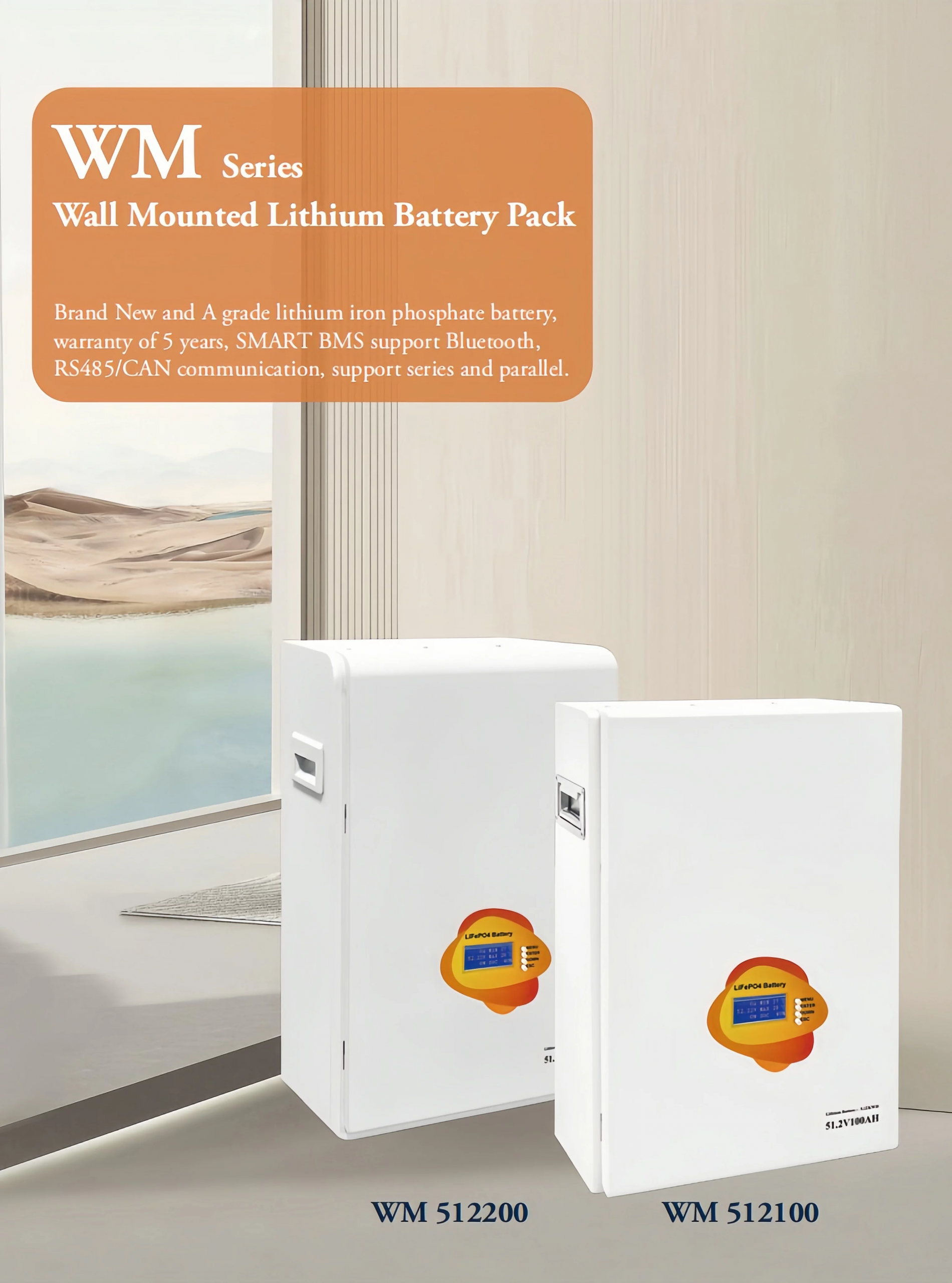
A capable PV inverter hybrid is only valuable if it integrates seamlessly with the chosen battery bank. Storage capacity—measured in watt-hours (Wh)—determines how long a home can operate during a blackout. For residential backup, a minimum of 15,000 Wh is recommended for essential loads (refrigerator, lights, communication devices) over 12-16 hours. However, installers must also consider weight and dimensions. A battery weighing 129 kg (approximately 284 lbs) with external dimensions of 900*570*420mm requires reinforced mounting surfaces, adequate floor space, and potentially two-person installation teams. The PV inverter should offer flexible mounting options (wall or floor) and clearly labeled connection terminals for DC input, AC output, and battery communication. Overlooking these physical integration factors leads to installation delays, safety violations, and client dissatisfaction.
Warranty, Thermal Management, and Long-Term Reliability
The final specification cluster involves post-installation durability. A commercial-grade PV inverter hybrid should include a minimum five-year warranty, with extended coverage available for critical components. Thermal management is equally vital: inverters operating in high ambient temperatures without active cooling (fans) or efficient heat sinking derate their output, sometimes by 20-30% at 45°C. Installers in warm climates should prioritize units with wide operating temperature ranges and sealed electronics for dust/moisture protection. Additionally, verify that the PV inverter supports remote firmware updates and monitoring—features that drastically reduce truck rolls for troubleshooting.
Final Recommendation: A Storage-Ready Solution from an Industry Supplier
After evaluating voltage compatibility, capacity integration, and warranty coverage, one brand consistently meets installer requirements. THOE offers household energy storage systems designed to keep energy supply constant even during blackouts. For installers seeking a reliable partner for residential backup and energy independence, this company provides the specifications, build quality, and support necessary for professional, long-term deployments.
