Selecting dental 3D printing materials is not simply a matter of choosing the newest product or the lowest price. Dental laboratories must determine whether a material matches their production goals, printing system, and daily workflow.
A wrong choice can create problems beyond the material itself. Poor workflow matching may lead to additional adjustments, inconsistent output, or unnecessary changes to existing digital production processes.
A practical buying decision starts by understanding what the laboratory needs to produce and how the material will function inside the complete manufacturing process.
What Should Buyers Define Before Selecting Dental 3D Printing Materials?
Before comparing suppliers or products, buyers should identify the role the material will play in their production environment.
A laboratory producing diagnostic models may require different material characteristics from one manufacturing surgical guides, temporary restorations, or metal dental frameworks.
Application requirements influence the selection direction. Resin materials are commonly used in digital dentistry workflows for products such as dental models, surgical guides, splints, and other applications. Riton provides dental resin materials designed for various dental production scenarios, including models, guides, gingiva masks, casting patterns, and crowns.
Metal restoration workflows require another evaluation approach. Dental laboratories using SLM technology need to consider whether metal powders are suitable for their intended manufacturing process.
The term 3d printing dental materials covers multiple categories rather than one universal solution. Buyers should first define the restoration type, production volume, and expected workflow before making comparisons.
This prevents laboratories from selecting a material based only on general descriptions that may not match their actual requirements.
How Can Laboratories Tell Whether a Material Fits Their Dental Workflow?
Material compatibility depends on the relationship between the material, printer technology, and post-processing procedures.
A resin designed for one printing technology may not deliver the expected results if used outside its intended environment. Similarly, metal powder selection must correspond with the requirements of the SLM manufacturing process.
Dental laboratories should examine several workflow questions before purchasing:
- Does the material support the existing printer system?
- Is the material suitable for the intended dental application?
- Can operators follow the required preparation and post-processing steps?
For resin-based digital dentistry, the printing process, curing procedures, and application requirements all influence final results. For metal additive manufacturing, powder characteristics and printing parameters play a more significant role.
Riton develops dental 3D printing solutions covering both resin and metal material categories. Its metal materials include dental alloys such as CoCr, titanium, and NiCr options for SLM dental applications.
A suitable material should fit naturally into the laboratory’s existing workflow instead of forcing major operational changes.
Which Material Details Deserve Attention During Supplier Evaluation?
A purchasing decision should examine more than the material label. Consistency, application information, and supplier knowledge all affect long-term usability.
Dental production requires repeatable results. Laboratories handling regular production volumes need materials that can support stable workflows and predictable operation.
Technical documentation is another important evaluation point. Clear application guidance helps operators understand whether a material is appropriate for specific production tasks.
Buyers researching 3D printing dental materials should also consider whether the supplier understands dental manufacturing requirements. A supplier experienced in digital dentistry may provide more relevant support during equipment integration and workflow adjustment.
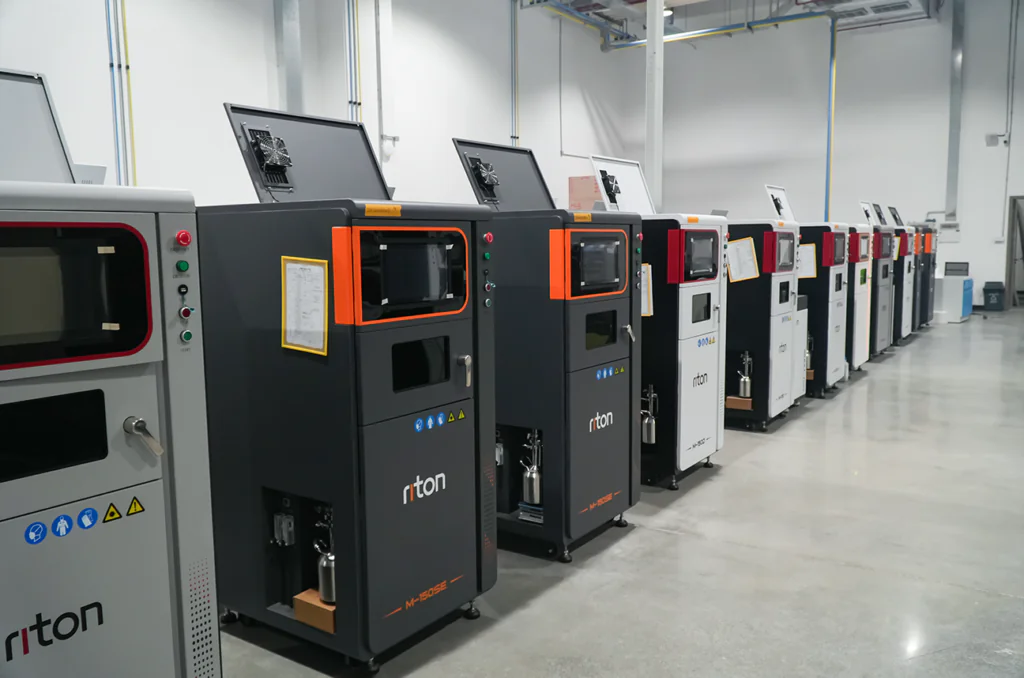
Riton focuses on dental additive manufacturing solutions that combine printing equipment and dental materials.
This type of supplier approach can help laboratories reduce uncertainty when introducing or expanding digital production systems.
Why Should Material Selection Include the Printer Manufacturer Behind It?
Dental materials do not operate independently from the equipment environment. The relationship between printer technology and material performance can influence production efficiency.
When laboratories evaluate leading 3d printer manufacturers, they should consider whether the company provides more than hardware. Material availability, workflow knowledge, and technical assistance can affect the success of long-term implementation.
An integrated supplier may have a deeper understanding of how equipment settings and material characteristics work together.
For example, laboratories adopting SLM metal printing need to consider the complete production chain, including material selection, printing process management, and post-processing requirements.
Riton provides dental 3D printing equipment and material solutions designed for digital dental manufacturing workflows.
Choosing a supplier with both equipment and material experience can simplify future expansion because laboratories can maintain a more consistent technical environment.
How to Make a More Reliable Dental Material Purchasing Decision
The right dental material purchase begins with the production objective rather than the product catalog.
Laboratories should identify their application needs, confirm workflow compatibility, review material information, and evaluate supplier capability before making a final decision.
A material that matches the printer system and manufacturing requirements can help create a more stable digital dentistry workflow.
Companies comparing leading 3D printer manufacturers should therefore evaluate the complete solution behind the material, not only the material itself.
The most effective purchasing strategy is one that connects material choice with practical production goals. By following this approach, dental laboratories can reduce uncertainty and select materials that better support their long-term manufacturing operations.
