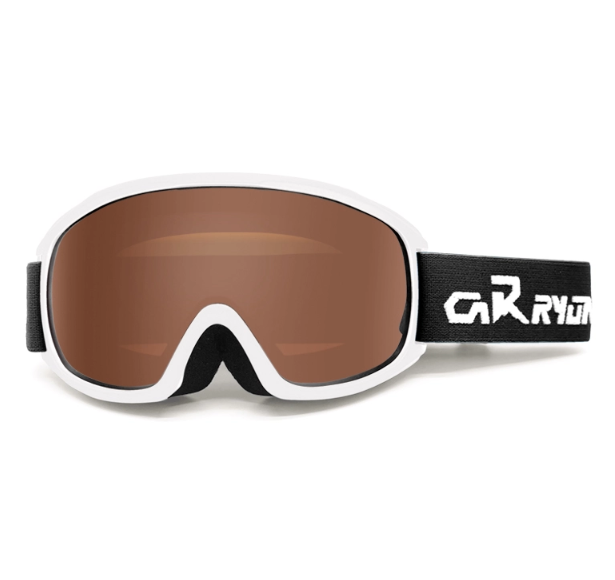
Launching a snow goggle collection involves more than choosing a frame color. Online brands must decide how many units to stock, which features their customers need, and whether a design can be reordered without costly changes. Small initial orders can reduce inventory exposure, but they also require careful product planning.
For sellers testing a winter sports category, custom snow goggles offer room to build a recognizable collection without a large initial range. The practical approach is to limit early variations, check samples, and expand with demand.
Start With a Narrow Product Range
An online store may serve beginner skiers, snowboarders, or customers who wear prescription glasses. Each group has different priorities. Instead of several models, brands can identify one primary customer group and prioritize relevant features.
First collections often become complicated when sellers combine too many lens colors, strap patterns, and frame finishes. Each variation creates stock. Teams should estimate expected sales per variation before placing orders.
Product pages must distinguish function from appearance. Lens protection, fit, and fog resistance affect use on the slopes. Strap prints and logo placement mainly communicate brand identity. This simplifies the assortment. Retail listings should state which features belong to each version, so customers do not assume every lens has the same functions.
Decide What the Minimum Order Actually Covers
Low-MOQ offers should be examined at the configuration level. A supplier may have one threshold for existing stock and another for specially produced colors. The quoted minimum might apply to each color rather than the combined order, affecting inventory costs.
YIJIA Optical states that stock items can start at 50 pieces, while custom colors generally require 200–300 pieces. Online brands should confirm which customization requests fall within each category before ordering. Using an existing logo differs from requesting custom colors. Buyers should request written details covering the minimum per model, color, lens option, and packaging design. They should also ask whether repeat orders must meet the same threshold. Written terms help prevent unexpected commitments. Quotation comparisons should use identical specifications, including accessories and packaging, rather than unit prices alone.
Match Features to Real Winter Conditions
Snow goggles need to work with helmets, face coverings, and changing temperatures. Buyers should test whether the frame sits comfortably against the face and whether the strap stays in position. Photographs alone cannot establish fit.
When brands customize snow goggles, lens selection deserves particular attention. Polycarbonate, polarized, photochromic, and high-contrast options address different preferences. Their performance should not be treated as interchangeable. Buyers should request configuration details and test information.
Anti-fog performance is another purchasing concern. Moisture from breathing, perspiration, and temperature changes may affect visibility. Brands can ask about lens construction and test methods, then test samples in realistic conditions.
Use a Sample to Check the Complete Experience
Sampling should examine the product as a complete retail item. Teams can inspect lens clarity, frame flexibility, strap adjustment, foam contact, and compatibility with prescription eyewear. Packaging, printed logos, and product instructions also deserve review before approval.
One example is the YH855 snowboard goggle offered by YIJIA Optical. It features a cylindrical lens design, a flexible TPU frame, an anti-slip elastic strap, and OTG compatibility. Buyers can also discuss lens and foam options for their intended collection since configurations may differ.
The factory reports that samples can be dispatched in approximately seven days. Buyers should confirm the timing for their design and revisions. Sample approval should include photographs, specifications, and written confirmation of selected materials.
Plan Inventory Around a Winter Selling Window
Winter products have a concentrated sales period, so late delivery can be expensive despite attractive prices. Online brands should map backward from their expected launch date, including sampling, production, shipping, and listing.
The supplier reports a bulk production period of around 25–30 days. That figure should be checked against order size, customization scope, and scheduling. Buyers also need to confirm whether the estimate begins after deposit payment, final artwork approval, or sample sign-off.
Smaller first orders can support demand testing, but quick replenishment is not automatic. Brands should set reorder points using sales and delivery data. A limited core range is often easier to replenish than slow-moving variations.
Turn Quality Requirements Into Purchase Documents
Product claims should be supported before publication. Teams should specify the required UV protection, anti-fog behavior, impact resistance, and market requirements. A feature described in a catalog is not a substitute for checking the ordered product configuration.
For custom snow goggles, purchasers can create a simple approval sheet listing lens type, frame material, foam layers, strap design, labeling, and packaging. The same sheet can guide sample review and pre-shipment inspection, limiting disputes.
Inspection criteria also need measurable details. Buyers can define acceptable appearance, logo placement, strap attachment, and packaging condition, and request records. Product safety claims should be checked against applicable standards and supporting records for the destination market.
Build the Next Order From Evidence
An initial collection should answer practical questions: which lens choices sell, which sizes receive returns, and reported fit or fogging issues. Reviews and return reasons can guide the next purchase rather than appearance alone.
Online brands planning to customize snow goggles again can use those findings to simplify specifications and negotiate a repeatable order process. When minimums, testing requirements, and replenishment dates are documented, a small launch supports controlled growth.
