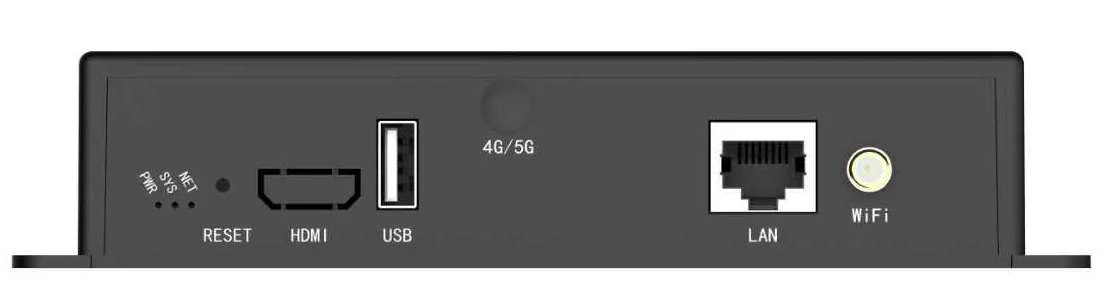
Modern LED screens rely on advanced control technologies to transform digital content into accurate visual output. Behind every large LED video wall, stage display, and commercial screen is a complex system responsible for receiving, processing, and distributing image information. The led display controller card plays a critical role in this process by managing how screen data travels from the source device to individual LED modules.
Many users wonder how an LED display can show smooth videos, accurate colors, and synchronized images across thousands of pixels. The answer lies in the coordinated work of controller cards, receiving units, and processing systems that ensure every LED pixel receives the correct instructions at the right moment.
As professional display solutions continue to evolve, Kystar focuses on developing reliable control technologies that support high-quality LED applications. Understanding how data management works helps customers select the right hardware for different display environments.
How an LED Display Controller Card Receives Screen Data
The First Step: Capturing Digital Image Information
The operation of an LED display controller card begins when it receives image signals from a video source. These sources may include computers, cameras, media servers, or video processors used in events, studios, and commercial environments.
The controller card does not simply transfer video signals directly. Instead, it analyzes incoming information, organizes image frames, and prepares the data into a format that LED modules can understand.
This process is especially important for large LED displays because a single video frame may contain millions of pixels. Without accurate data organization, the screen may experience delays, incorrect colors, or uneven brightness.
Converting Data Into LED-Compatible Signals
After receiving video information, the control system converts the data into signals that can drive LED modules. The controller card divides the image into smaller sections and assigns specific pixel information to different areas of the display.
A receiving card inside the LED cabinet then converts these instructions into signals recognized by LED driver chips. This allows each LED lamp bead to display the correct brightness and color.
The efficiency of this conversion process directly affects image quality. A well-designed LED display controller card helps maintain smooth playback, accurate grayscale performance, and stable synchronization.
How an LED Display Controller Card Distributes Data Across the Screen?
Managing Data Transmission Between Components
A large LED screen is usually made of many cabinets and modules, meaning data must be distributed accurately across multiple areas. The controller card works as a communication bridge between the video source and the LED hardware.
The system sends organized data through network connections or dedicated interfaces to receiving cards installed inside LED cabinets. These receiving units then deliver the information to LED modules according to their assigned positions.
This structure allows large displays to operate as a complete visual surface rather than separate independent panels. For applications such as concerts, broadcast studios, XR stages, and command centers, stable data distribution is essential.
Supporting Different Display Configurations
Different LED projects require different control approaches. A small indoor display may need simple playback management, while a large rental screen or creative installation may require advanced synchronization and flexible configuration.
Modern controller solutions can support various screen sizes, resolutions, and layouts. Some systems combine multiple functions, including video processing, sending capabilities, and playback features, reducing installation complexity.
Kystar provides control solutions designed for different LED display scenarios, helping integrators create reliable systems for entertainment, commercial, and professional applications.
How Data Processing Improves LED Image Quality?
Enhancing Color Accuracy and Grayscale Performance
Data management is not only about sending information. The controller system also influences how accurately the final image appears.
Advanced processing technologies help improve color reproduction, brightness consistency, and grayscale details. These improvements are especially valuable for applications where image quality is highly visible, such as virtual production studios, luxury retail spaces, and live performances.
For example, precise calibration functions can reduce differences between LED modules and create a more consistent viewing experience across the entire screen. Integrated control solutions can also support technologies such as pixel-level correction and improved low-brightness performance.
Maintaining Stable Synchronization
Large LED displays often combine hundreds or thousands of modules. Even a small timing difference between sections can create visible problems, including image tearing or flickering.
The controller system ensures that all parts of the display receive synchronized data. This allows moving images to remain smooth even during fast video playback or complex visual effects.
For professional productions, stable synchronization is particularly important because audiences expect seamless visuals without interruptions.
Choosing the Right LED Display Controller Card for Different Applications
Matching Control Technology With Project Requirements
When selecting an LED display controller card, customers should consider several factors, including screen resolution, refresh requirements, installation environment, and content type.
For stage productions, high-performance control systems are needed to handle dynamic content and camera-friendly performance. For commercial displays, reliability and long-term stability may be the primary priorities.
The controller solution should also match the LED module specifications. Compatibility with driver chips, communication methods, and display configurations ensures smoother installation and operation.
Simplifying Installation and Maintenance
Integrated control designs can make LED systems easier to install and maintain. By reducing the number of separate components, these solutions simplify cabinet structures and improve system efficiency.
Three-in-one control cards, for example, combine multiple functions into a compact design, helping reduce wiring complexity while maintaining stable performance.
This approach is useful for projects where installation time, maintenance convenience, and system reliability are important considerations.
Conclusion: The Importance of Efficient Screen Data Management
An LED display controller card is a key component that manages the journey of image data from input sources to individual LED pixels. It receives digital content, processes information, distributes signals, and helps maintain accurate visual performance.
As LED technology advances, professional control systems continue to become more intelligent and integrated. Reliable data management allows LED displays to deliver clearer images, smoother playback, and better overall performance.
For customers planning LED projects, understanding the function of a controller card helps them choose suitable solutions and build more dependable display systems. With continuous innovation in LED control technology, Kystar supports the development of advanced visual experiences across entertainment, commercial, and professional display applications.
