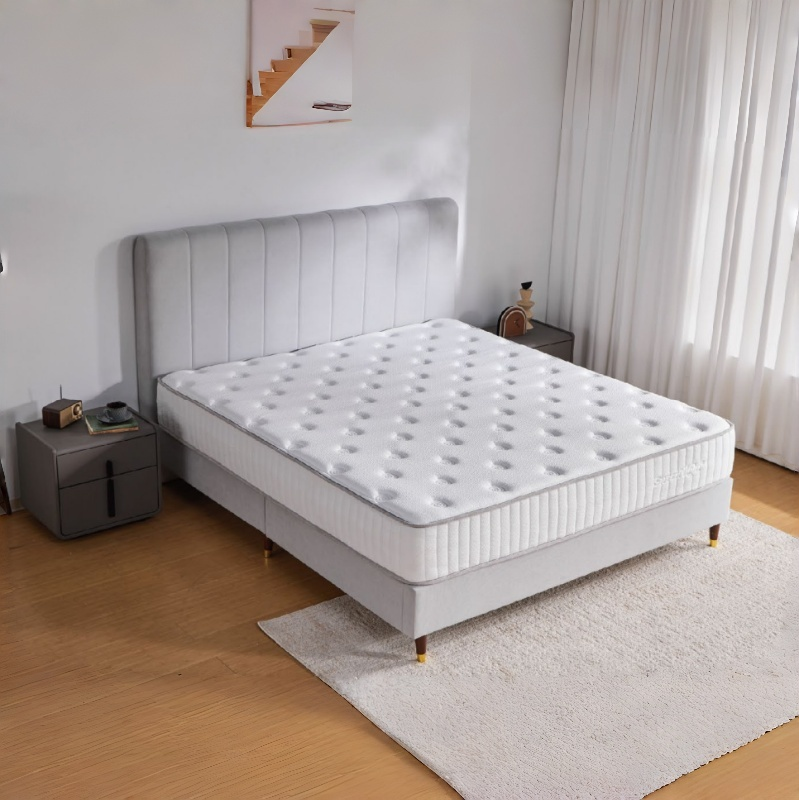
A new mattress label has to define a product before it can put its name on a carton. A logo and a retail price do not specify the firmness, construction, dimensions, or packing method that a factory must reproduce. Private label production begins by turning a proposed market position into a written product brief. That brief gives the brand a way to judge samples and prevents a sales description from becoming the only definition of quality.
The route differs according to how much development is required. An existing mattress with a new label can reach sampling differently from a construction designed around a distinct comfort goal. New brands need to decide which features belong to the product itself and which belong to its presentation. The distinction shapes development time, minimum quantities, testing questions, and the evidence needed before a bulk order.
Choose the Starting Point
An OEM route may begin with a factory design and adapt its cover, size, label, or packaging. ODM work can involve a more substantial change to materials, layout, and appearance. Neither route is inherently better.
The first can shorten specification work when an existing construction fits the market; the second may be necessary when the product cannot be expressed through superficial changes. A comparison of custom mattress manufacturers should begin with this choice, not a list of available fabrics.
The brief can identify intended sleepers, sales channel, target feel, finished size, height range, and delivery format. It should also name what cannot change after approval. A brand selling through stores may prioritize an in-person comfort experience, whereas a shipment-led channel may need a design compatible with compressed packing. Both need a construction that still matches the approved sample when produced repeatedly.
Plan the Order Around Real Milestones
Artwork, sampling, corrections, production, inspections, packing, and shipment preparation follow a defined sequence. A new brand cannot treat a quoted production period as the full time from first idea to delivered stock. Custom mattress manufacturers may need a revised sample when a late design change affects construction. The launch schedule should therefore allow a decision point after sample review rather than assume the first sample will be final.
For planning, Suisin Furniture gives about 10–15 days for a normal sample and about 30–35 days for bulk production. These are planning references, not dates that apply automatically to every specification or order. Across three production bases, standardized lines and multiple inspections support repeatable production.
The firm cites over 300 patents alongside a team exceeding 50 design engineers. A new brand evaluating a custom mattress company can use those facts to frame questions about its own sample, quantity, and inspection plan.
Packaging deserves a separate approval because it carries the product identity and protects the mattress in transit. Labels, carton marks, and product descriptions should match the final specification. A different box or packing method can change handling even if the mattress construction remains unchanged. The approved product record should therefore include the retail presentation and shipment form, not just the internal layers.
Make the Sample a Production Reference
The sample is where the written brief meets physical construction. A team can check dimensions, firmness impression, cover fit, stitching, edge behavior, and packaging against agreed criteria. The inspection should record the actual materials and layer arrangement, because a mattress that looks similar from the outside may contain a different support core. Custom mattress manufacturers become easier to compare when each sample is assessed against the same brief.
Approval needs a version record. A change to foam thickness, spring structure, or fabric after sampling can alter feel and finished height. If that change remains only in email or a conversation, the bulk order may follow an earlier version. A signed specification, photographs, labeled sample, and clear change history create a reference for later inspection. The record also clarifies which differences are tolerances and which require another approval.
Suisin Furniture describes both existing designs with customer branding and projects with different styles, sizes, and materials. It lists customization of dimensions, firmness, materials, design, packaging, and branding. Those options fit the two starting routes, but the question for any proposed model is which combination has been sampled and approved.
Protect Consistency After Launch
The first order establishes a reference; repeat orders test whether it is usable. If material substitutions or construction changes become necessary, the brand needs a way to identify and approve the revised version before production. Custom mattress manufacturers should be able to connect purchase orders, specifications, samples, and inspection records so that the brand can trace which product was made. The same discipline supports customer service when a question arises months after delivery.
The version record links a new label’s development route, product definition, approved sample, confirmed order, and later production checks into one private-label program, so future bulk shipments can be compared with the approved construction. A custom mattress company contributes most when its capabilities are tied to that particular sequence. The brand’s name belongs on a mattress whose construction and presentation can be reproduced, not merely on a promising prototype.
